What role did wall clocks play in old houses?
Summary
- 1. What is the history of wall clocks?
- 2. What are the different types of wall clocks?
- 3. Functionality and design: which wall clock should you choose?
- 4. What are the current trends in watchmaking?
- 5. How to maintain and repair a wall clock?
1. What is the history of wall clocks?
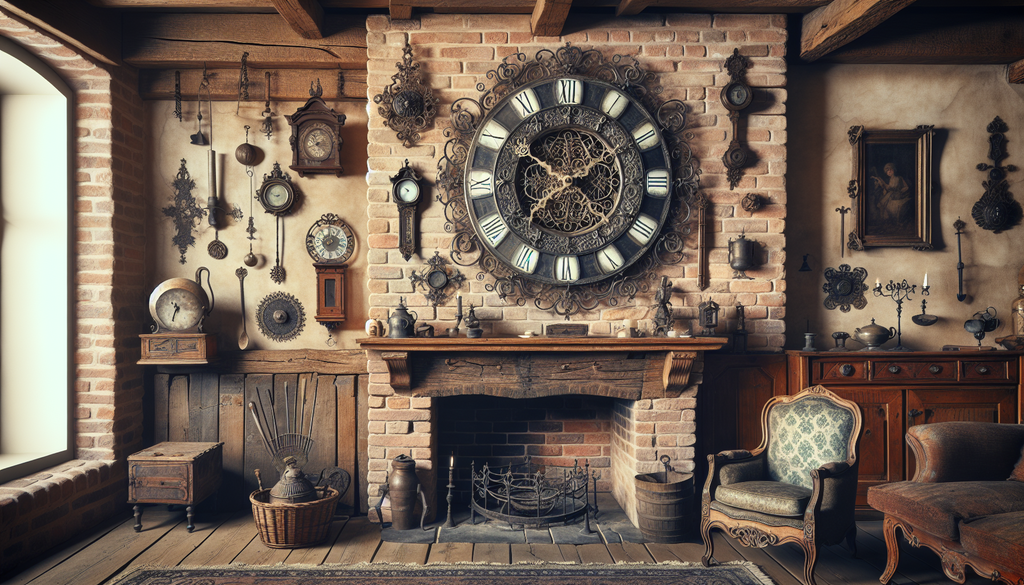
The wall clock has long been more than just a timekeeping device. It played a crucial role in older homes, serving as both a decorative focal point and a symbol of social status. Understanding the history of wall clocks allows us to appreciate their evolution and integration into our modern lives.
- Historical evolution: Since their invention, clocks have undergone numerous transformations, ranging from sundials to pendulum clocks.
- Precision tools: Throughout the ages, they have evolved to become indispensable precision instruments in time management.
- A prestigious item: Owning a beautiful wall clock was a status symbol, indicating wealth and sophistication.
In summary, this section helps you better understand the historical importance of wall clocks in social and aesthetic fields.
1.1 Evolution through the ages
Wall clocks have evolved from simple timekeeping devices to essential elements of interior decoration. This testifies to their enduring influence.
- 1: Initially, sundials laid the foundations for measuring time, replaced by mechanical clocks in the Middle Ages.
- 2: The Industrial Revolution enabled the mass production of clocks, making them more accessible.
- 3: Nowadays, wall clocks combine technology and design, adapting to all lifestyles.
This subsection highlights the key stages in the evolution of wall clocks and their adaptation to human needs.
1.2 Influence in different cultures
The wall clock, as a cultural element, has included variations required by various regions, each bringing its own touch and symbolic meaning.
- 1: In Asia, particularly in China, clocks represented harmony and order.
- 2: In Europe, they have often been incorporated into the architecture of grand castles and residences.
- 3: Different styles of wall clocks often reflected local artistic traditions.
This subsection enriches our understanding of the cultural integration of wall clocks while revealing their stylistic diversity.
2. What are the different types of wall clocks?
In the world of wall clocks , there's a wide range of styles, from traditional designs to innovative modern pieces. Whether you prefer a vintage look or a contemporary style, understanding the different types of clocks will help you find the one that best suits your interior.
- Traditional style: Characterized by materials like wood and pendulum movements.
- Modern elements: Digital dials and clean designs bring a contemporary touch.
- Artistic effectiveness: They serve as both functional pieces and artistic statements within a space.
By exploring this section, you will discover the many facets of wall clocks and how they can fit into your home.
2.1 Traditional vs. Modern Clocks
Traditional and modern wall clocks each offer unique advantages. Understanding the difference between these two types helps you choose a clock that not only suits your aesthetic but also your lifestyle.
- Classics: Recognizable by their pendulum movements and numbered dials.
- Modern: Often digital, they feature a minimalist design that blends well into contemporary interiors.
- Tip: For a timeless look, mix classic and modern elements in the same room.
Discover which style of wall clock best suits your home through this comparison.
2.2 Popular Materials and Styles
A wall clock can be made from a variety of materials, each contributing to the overall ambiance of your décor. Whether you prefer metal, wood, or plastic, each option offers a distinct style.
- Wood: Has a classic and warm charm, ideal for a rustic atmosphere.
- Metal: Brings a modern industrial touch, perfect for urban lofts.
- Glass: Adds a sophisticated elegance that suits minimalist designs.
Choosing the right materials and styles for your wall clock allows you to transform your living space while reinforcing your personal style.
3. Functionality and design: which wall clock should you choose?
Choosing a wall clock that matches your style and practical needs is essential. Today's wall clocks not only tell the time, but also complement your interior in an elegant and harmonious way.
- Determining the function: Do you primarily want a decorative piece or a functional clock to keep track of time?
- Style assessment: Consider the location and other elements of your room to ensure a harmonious integration.
- Our recommendation: Visit our Le Temps des Horloges store to explore our unique collection that combines functionality and exceptional design.
This overview helps you select the best wall clock to meet your aesthetic and practical requirements.
3.1 Integration into interior decoration
Integrating a wall clock into your interior design requires careful consideration of both aesthetic harmony and functionality. A well-chosen clock can transform the atmosphere of your space.
- Decorative accent: Choose a clock that catches the eye and matches well with other decorative elements.
- Strategic positioning: Place it at eye level, on a clear wall to maximize its impact.
- Tip: Get inspired by decor sources, or check out our blog for more tips on integrating clocks into your home.
Incorporating a wall clock thoughtfully enhances the aesthetics while serving as a practical everyday companion.
4. What are the current trends in watchmaking?
The world of wall clocks is constantly evolving, with innovations reflecting contemporary design trends. Whether you're a tech enthusiast or a décor aficionado, these new trends will keep you at the forefront of fashion.
- Avant-garde designs: Incorporation of unexpected materials and asymmetrical shapes.
- Smart features: Some clocks now incorporate connected technologies for added functionality.
- Influence of fashion: Use of current color palettes and collaborations with renowned designers.
By exploring this section, you will learn how to stay up-to-date with the latest innovations in the field of wall clocks.
4.1 Recent innovations in design
Recent innovations in wall clock design transcend the simple function of telling time. Contemporary concepts now value wall-mounted works of art.
- 1: Integration of LED lights for a spectacular visual effect.
- 2: Use of eco-friendly materials in response to environmental concerns.
- 3: Collaboration with artists to create limited editions that combine utility and aesthetics.
These recent innovations highlight how wall clocks can become central pieces in interior design while still serving the purpose of telling time.
4.2 Influence of fashion and design
Fashion and design significantly influence the aesthetics of wall clocks . They not only tell the time, but also reflect the evolving trends in design.
- 1: Adopting fashion trends to create captivating hybrid designs.
- 2: Emphasis on minimalism with functionality that promotes simplicity.
- 3: Embracing technology, linking lifestyle trends with watchmaking precision.
Thanks to the close connection between fashion and interior architecture, wall clocks are becoming true style elements.
5. How to maintain and repair a wall clock?
Maintaining a wall clock is crucial to ensuring its longevity and optimal performance. Whether you have an antique or modern model, taking care of your wall clock ensures it remains a valuable addition to your home.
- Regular cleaning: Use a soft, dry cloth to remove dust and prevent dirt from accumulating.
- Lubrication of movements: For mechanical clocks, apply light oil to the pivots, according to the manufacturer's recommendations.
- Simple repairs: Learning how to replace a balance wheel or adjust a dial can save you time and money.
Follow these tips to keep your wall clock in perfect condition for many years.
5.1 Maintenance tips
Wall clocks , whether modern or antique, require regular maintenance to function properly and remain beautiful.
- 1: Wipe the case regularly to prevent dust buildup.
- 2: Check the batteries or power adapter to ensure they are working effectively.
- 3: Protect them from excessive moisture which could damage the mechanism.
Follow these simple steps to ensure a long lifespan for your wall clock.
5.2 Guide to common repairs
Repairing wall clocks is often intimidating for amateurs, but fixing them can be simpler than it seems.
- 1: Identify the ticking sounds to detect any blockages in the mechanism.
- 2: Easily replace a broken needle by following online tutorials.
- 3: For complex repairs, consult a professional watchmaker to avoid further damaging the clock.
These tips will allow you to repair your wall clock without stress while saving on maintenance costs.
Frequently Asked Questions
To give you quick answers to your common concerns, we have compiled a list of frequently asked questions about wall clocks .
- Where can you buy unique wall clocks? Discover our online store Le Temps des Horloges for an exclusive selection of quality clocks.
- Is regular maintenance necessary for modern clocks? Yes, even modern clocks benefit from regular cleaning and occasional checks to ensure they function properly.
- What is the best way to fix a wall clock to the wall? Use appropriate anchors and make sure the wall is able to support the weight of the clock.
We hope this Q&A has answered your questions. For further inquiries, please visit our customer service page on our website.
Additional information
In older homes, wall clocks were much more than just functional objects; they were symbols of social status and often the centerpiece of the interior design. If you're wondering how to make your own DIY wall clock , you'll find here not only clever techniques but also insights into the historical influences that still shape our love for these fascinating pieces today.
Maintenance checklist
- 1: Regularly dust your wall clock with a soft, dry cloth to prevent dust buildup.
- 2: Use a specific glass cleaner to make the dial shine without leaving streaks.
- 3: For wooden clocks, apply a wood-specific polish to maintain shine and protect the surface.
- 4: Check and replace the batteries at least once a year to ensure the clock functions properly.
- 5: Perform regular inspections of mechanical components and call in a professional for thorough maintenance if necessary.
Pro tip
To prolong the life of your wall clock , place a small silica gel packet on the back to absorb moisture. This not only protects the internal mechanism but also prevents corrosion of the metal parts.
Useful external resource
For those who are curious or passionate, we recommend this additional article.
Conclusion
Through this article, we have discovered the essential role of wall clocks in old houses, exploring their rich history and enduring cultural influence.
Their transformation over time into essential decorative elements for our modern interiors underscores the importance of making a wise selection. 🕰️ So, it's your turn! Dive into our resources to expand your knowledge and make the best choice for your home.