Why were wall clocks essential in the 19th century?
Summary
- 1. The fascinating history of wall clocks
- 2. Explore the types of wall clocks
- 3. Innovative functions of wall clocks
- 4. Wall clocks: an asset for your interior decoration
- 5. Understanding the mechanisms of wall clocks
- 6. Tips for buying the perfect wall clock
- 7. Maintenance and repairs of wall clocks
1. The fascinating history of wall clocks
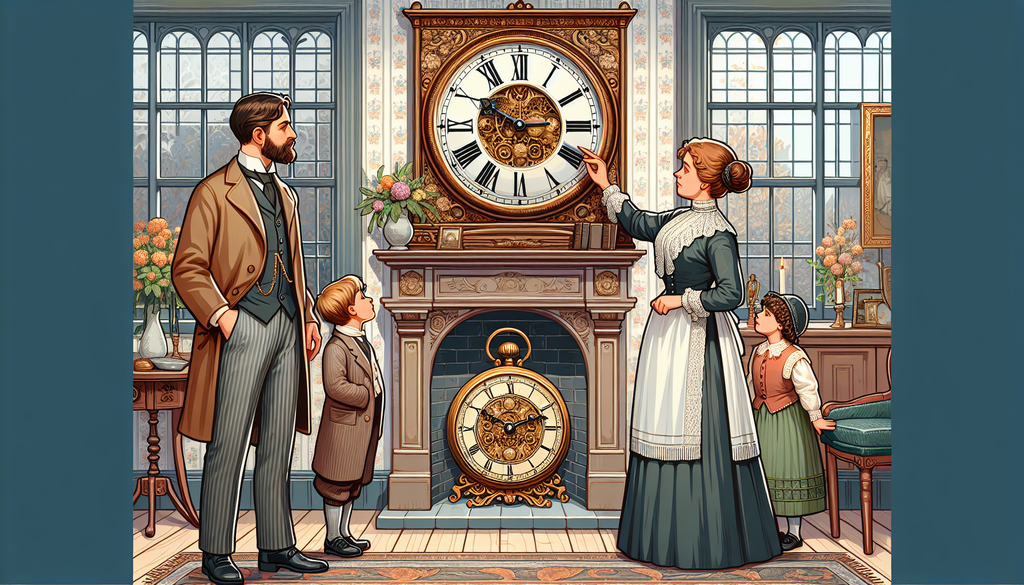
In the 19th century , wall clocks were much more than simple timekeeping devices. They reflected the industrial and artistic development of the era and were central features in many homes. Understanding the evolution of these clocks helps us appreciate their role and historical significance.
- Industrialization: The advent of the industrial era multiplied the production of wall clocks , making them accessible to more homes.
- Technical innovations: Advances in mechanical watchmaking have improved the precision and durability of clocks .
- Status symbols: A wall clock was often a sign of wealth and status within society.
In summary, understanding the evolution of wall clocks during the 19th century allows us to better appreciate their historical and aesthetic value.
1.1 How have wall clocks evolved over time?
Wall clocks have undergone numerous transformations over the centuries. This subsection details these evolutions and their impact on our perception of time.
- 1790s: Introduction of simpler mechanisms allowing for more diverse designs.
- 1870: The pendulum became a key component, improving the accuracy of clocks .
- Late 19th century: Appearance of the first wall clocks with ornamental designs, influenced by Art Nouveau.
This subsection highlights the essential elements for understanding the evolution of wall clocks over time.
2. Explore the types of wall clocks
There is a wide variety of wall clock types , each with its own unique characteristics and charm. Exploring the different styles can help you choose the one that best suits your taste and interior décor.
- Classic clocks: Often crafted with noble materials such as wood, they are synonymous with tradition and elegance.
- Modern clocks: Designed with materials like metal and glass, they are perfectly suited to contemporary interiors.
- Vintage clocks: These clocks feature retro designs that add a touch of nostalgia.
In summary, exploring the different types of wall clocks allows you to better understand the impact of each style on your interior.
2.1 What are the characteristics of classic wall clocks?
Classic wall clocks are renowned for their timeless beauty and meticulous craftsmanship. They are often associated with a rich cultural heritage.
- Noble materials: Solid wood and meticulous finishes, often with gilding and carvings.
- Mechanical movement: Generally with a pendulum movement, offering historical accuracy.
- Elaborate design: Their artistic appearance contributes to the refinement of the space they occupy.
This subsection highlights the characteristics that make classic wall clocks so distinctive and their role in decorative tradition.
2.2 Modern vs vintage clocks: which style to choose?
To choose between modern and vintage clocks, simply consider what suits you best in terms of style and functionality.
- Modern: Ideal for minimalist spaces, often equipped with digital features.
- Vintage: Perfect for lovers of retro design and nostalgia.
- Hybrids: Some clocks combine modern and vintage elements, uniting the best of both worlds.
When it comes to choosing a style, it is mainly a matter of personal taste and harmonizing with the rest of your interior.
3. Innovative functions of wall clocks
Modern wall clocks are more than just time-telling devices. Thanks to technology, they now offer innovative features that add value to your living space.
- Smart clocks: Sync with your smartphone or connected to the internet to provide real-time information.
- Multifunctional clocks: Some incorporate options such as global time tracking, temperature indicators, and more.
- LED lighting: Light elements that can change the ambiance according to your mood or the needs of the room.
The innovative features of modern wall clocks are transforming the way we integrate technology into our homes.
3.1 What technologies have transformed wall clocks?
Technological innovations have fundamentally changed the functionality of wall clocks , making them more practical and interactive.
- Bluetooth and WiFi: These technologies allow clocks to connect to other devices, such as smartphones.
- Digital displays: Offer more than just telling the time by adding features such as weather and event alerts.
- Solar-powered modules: Increase energy efficiency while reducing the need to replace batteries.
With technology, wall clocks no longer simply tell the time, but significantly enrich the user experience.
4. Wall clocks: an asset for your interior decoration
Wall clocks are by nature functional objects. However, they also play a crucial role as interior design elements, contributing to the aesthetics and ambiance of a room.
- Focalization: They can become the focal point of a room, attracting the eye and arousing interest.
- Color coordination: Integrating the colors of the wall clock with those of your space can harmonize and balance the decor.
- Variation of materials: The use of different materials and finishes offers a range of options to suit all decorating styles.
Integrating a wall clock into your space is an elegant way to add style while remaining functional.
4.1 How to integrate a wall clock into your space?
Choosing and positioning a wall clock can transform the atmosphere of your interior. Here are some tips for successfully integrating this decorative element.
- Centrally: Place the wall clock in the center of an empty wall so that it immediately captures attention.
- In a gallery wall: Integrate it among other artworks to create a visually rich ensemble.
- Use proportions: Adapt the size of the clock to that of the wall to avoid it appearing too imposing or too discreet.
With just a few adjustments, you can make your wall clock a visual highlight of your home.
4.2 Inspiring examples of decorative wall clocks
There are countless decorating ideas using wall clocks to enhance your interior. Here are a few examples to inspire you.
- Handcrafted design: Handmade clocks that reflect craftsmanship and originality.
- Vintage theme: Add a touch of retro with wall clocks that evoke years gone by.
- Modern minimalists: Clean designs for lovers of contemporary style and simplicity.
These examples show you how wall clocks can become centerpieces of interior decoration.
5. Understanding the mechanisms of wall clocks
Understanding how wall clocks work helps you make the right choice based on your needs and preferences. From mechanical to electronic, each mechanism has its unique advantages.
- Mechanical: Works with a system of springs and gears, requires periodic winding.
- Electronic: Powered by a battery or cell, requiring little maintenance.
- Quartz: Used for its extreme precision, this mechanism is very common in modern clocks .
Understanding these mechanisms allows you to choose the wall clock that best suits you, both in terms of style and functionality.
5.1 Mechanical or electronic: which mechanism to choose?
Choosing a mechanism for your wall clock depends on your preferences and lifestyle. Here are a few suggestions to help you.
- Simplicity: If you are looking for hassle-free use, electronics is ideal.
- Authenticity: Lovers of tradition will appreciate the workings of a mechanical mechanism.
- Maintenance: Electronics require less maintenance than mechanical parts, which need to be reassembled regularly.
Choose the mechanism that satisfies you with its simplicity or that enriches your experience with its authenticity.
6. Tips for buying the perfect wall clock
Choosing a wall clock is not something to be taken lightly; it should match your style, your space, and your functional preferences. These tips will guide you in your purchase.
- Consider the location: Choose a clock based on where it will be placed to maximize its visual impact.
- Think big: Consider not only the appearance but also the function the clock will have to fulfill.
- Quality first: Opt for a solid and durable "wall clock" that offers a good lifespan.
To find the ideal wall clock , there are different collections on our store, Temps des Horloges , which offer a wide range of styles and mechanisms.
6.1 What criteria should be considered when buying a wall clock?
Several criteria come into play when buying a wall clock . This subsection aims to help you make the right choice according to your requirements.
- Aesthetics: Choose a design that complements the ambiance of the room.
- Functionality: Prioritize the features that meet your daily needs.
- Budget: Make sure the clock fits within your budget while meeting your expectations.
By taking these criteria into account, you ensure a thoughtful and satisfying purchase of your new wall clock .
7. Maintenance and repairs of wall clocks
Knowing the proper maintenance and repair practices for wall clocks prolongs their lifespan and ensures they function correctly. This section will help you keep your clock in perfect condition.
- Regular cleaning: Remove dust and dirt to prevent long-term damage.
- Periodic inspection: Check frequently that the hands and mechanism are functioning smoothly.
- Professional repair: If needed, seek the services of a watchmaker for specialized repairs.
By following these tips, you will ensure the longevity and efficiency of your wall clock .
7.1 How to maintain and repair your wall clock?
Properly maintaining and repairing your wall clock can extend its lifespan. Here are some tips to help you with this task.
- Lubrication: Apply special oil to keep the gears in good condition.
- Controlled temperatures: Avoid humid or excessively hot environments to preserve the mechanism.
- Cosmetic repair: For scratches or scrapes, specific products can restore the appearance.
Regularly maintaining your wall clock not only ensures that it works well, but also preserves its beauty.
Frequently Asked Questions
To answer the most common questions, here are some useful elements to complete your research on wall clocks .
- How do I choose a wall clock to match my interior decor? Consider the colors, materials, and overall style of the room for a harmonious look.
- What are the most durable materials for a wall clock? Solid wood, metal, and tempered glass are known for their longevity.
- How often should I check the mechanism of my wall clock? Ideally every six months to prevent any potential malfunctions.
These answers should help you when buying, installing, or maintaining your wall clock . For more options and advice, visit our Clock Time shop.
Additional information
19th-century wall clocks were not only functional but also essential decorative art pieces in homes. To discover different ways to care for your clock and extend its lifespan, feel free to consult our tips on How to care for a wooden wall clock without damaging it?
Maintenance checklist
- 1: Use a soft cloth to regularly dust the surface of your wall clock .
- 2: Occasionally apply a natural wax to preserve the wood of your clock.
- 3: Avoid placing the clock in humid areas to prevent deterioration.
- 4: Regularly check and adjust the mechanism to ensure optimal accuracy.
- 5: Clean the glass elements with a suitable product to maintain their shine.
Pro tip
A little-known tip for extending the life of your wall clock is to protect it from direct sunlight. Prolonged exposure can alter the colors and dry out the materials, especially wood.
Useful external resource
For those who are curious or passionate, we recommend this additional article.
Conclusion
By revisiting the 19th century, we saw how the wall clock became much more than a simple timekeeping tool, becoming an essential element of daily life and interior decoration.
Wall clocks continue to add an inimitable touch to our modern spaces, whether they are vintage replicas or contemporary masterpieces.
🕰️ Take a decisive turn in your wall decor . Explore our choices and transform your rooms with authentic character!
Additional resources
-
Posted in
horloge-vintage