How did the wall clock become a cult object?
Summary
- 1. History and origin
- 2. Types of wall clocks
- 3. Choosing the ideal clock
- 4. Trends and design
- 5. Installation and maintenance
1. History and origin
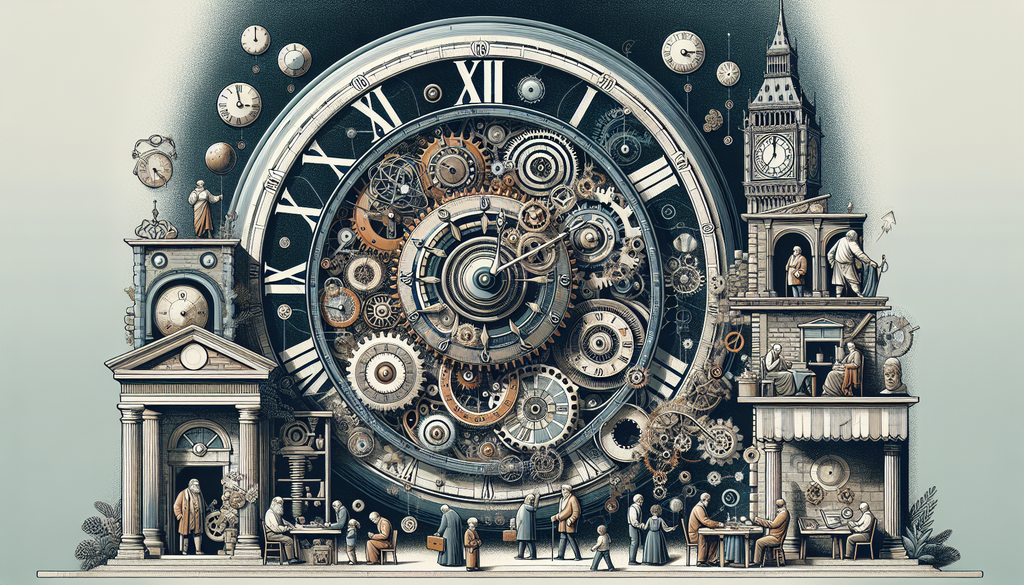
Wall clocks have evolved over the centuries, becoming symbols of style and functionality. Understanding their origins and transformations is crucial to appreciating their cult status today.
- First appearance: The first wall clocks date back to the 14th century, appearing in Europe during the medieval period.
- Technological evolution: Progression from pendulum clocks to quartz clocks in the 20th century.
- Cultural impact: Integration into popular and symbolic culture throughout the ages.
In summary, this section helps you better understand the origins of wall clocks and their fascinating cultural evolution.
1.1 How have wall clocks evolved over time?
Wall clocks have evolved from simple timekeeping devices to stylish and valuable objects in our homes. This subsection explores this transformation.
- 1: The first clocks offered limited accuracy but were revolutionary for their time.
- 2: The introduction of pendulum mechanisms in the 17th century greatly improved their accuracy.
- 3: Innovations, such as the battery and quartz, have made the daily use of clocks easier.
This subsection highlights the essential elements for understanding the technological evolution of wall clocks .
1.2 Cultural Implications of Wall Clocks
Wall clocks have much more than a practical function; they are deeply rooted in our culture. Numerous social and artistic aspects attest to their importance.
- 1: In many cultures, clocks symbolize precision and order.
- 2: Clocks are often used in art as metaphors for time.
- 3: Popularity of clocks in film and television to represent the passage of time.
This subsection highlights how wall clocks influence and reflect our culture.
2. Types of wall clocks
Owning a wall clock isn't just about telling time. With a variety of styles available, choosing the right one enhances your interior décor.
- Classic clocks: These are timeless choices that combine function and elegance.
- Modern clocks: Minimalist designs for contemporary interiors.
- Themed clocks: Creative options to add character to any room.
In summary, this section details the various types of wall clocks to satisfy all preferences.
2.1 What are the different types of wall clocks?
Whether you're looking for a wall clock for a chic or eclectic decor, understanding the different types will guide you to the perfect choice.
- 1: Pendulum clocks are famous for their regular and graceful movement.
- 2: Digital clocks are ideal for a clear and modern display.
- 3: Decorative clocks, often custom-made, add a touch of originality.
This subsection provides the information needed to properly select the type of wall clock suitable for your space.
2.2 Advantages and disadvantages of wall clocks
Each style of wall clock has its own unique characteristics. Weighing the pros and cons will help you make an informed decision.
- 1: Analog clocks add a classic element to the decor while the numbers can be difficult to read from a distance.
- 2: Digital clocks offer optimal readability but sometimes lack charm.
- 3: Large wall clocks create an impressive focal point, but require space.
This subsection makes your choice easier by helping you weigh the pros and cons of wall clocks .
3. Choosing the ideal clock
Choosing the perfect wall clock can transform your living space. By considering your style and the layout, you can seamlessly integrate a clock into your home.
- Identify your style: Classic, modern or industrial, let your preference guide your choice.
- Consider the location: Each room has its own aesthetic and practical requirements.
- Synthesize the options: Combine style and functionality to find the perfect balance.
In summary, this section guides you in choosing a wall clock that complements and enhances your space.
3.1 How to choose a clock according to your style?
The appearance of your wall clock should reflect your personality and complement your furniture. Selecting a suitable model can enhance your décor.
- 1: Evaluate your preferences for colours and materials to define your style.
- 2: Take inspiration from current trends, but opt for a design that won't quickly become outdated.
- 3: Harmonize the clock with existing elements such as furniture and accessories.
This subsection highlights practical tips for choosing a wall clock that perfectly matches your style.
3.2 Tips for choice and location
Once you've chosen the design, the placement of your wall clock is just as critical for its visual appeal and usefulness. Discover the best practices for this.
- 1: Place the clock at a suitable height for optimal readability.
- 2: Avoid overloading a wall already occupied by other visual elements.
- 3: Ensure that the clock is visible from strategic points in the room.
This subsection offers clear guidelines to maximize the aesthetic and practical effect of your wall clock .
4. Trends and design
The world of wall clocks is constantly changing, and trends can inspire you to renew or adjust your decorating choices.
- Ecological trends: Priority given to sustainable and ethical materials.
- Minimalist design: Popular for their discreet and efficient elegance.
- Vintage influence: A strong comeback of retro designs that add a touch of nostalgia.
In summary, this section informs you about current trends and dominant aesthetics in wall clock design.
4.1 What are the current trends in clocks?
Wall clocks are more than ever design pieces that integrate technological and artistic aspects. Let's discover the dominant trends.
- 1: Smart clocks incorporate intelligent functions to improve daily life.
- 2: Use of unconventional materials such as concrete or cork.
- 3: DIY trend, where consumers create or personalize their own clocks.
This subsection explores innovations and trends that can enrich your choice of wall clocks .
4.2 Influence of contemporary designers
In a world where style and functionality are essential, contemporary designers are reinventing the aesthetics of wall clocks . What particular influences stand out?
- 1: Designers like Philippe Starck are redefining clean and refined lines for clocks.
- 2: Use of new technologies for futuristic designs.
- 3: Collaboration between brands and designers for exclusive limited editions.
This subsection highlights how contemporary designers are transforming wall clocks into works of art.
5. Installation and maintenance
Wall clocks deserve optimal installation and regular maintenance to ensure their longevity. Here are some tips for taking effective care of them.
- Robust installation: Use fixings suitable for the weight and type of your clock.
- Avoid humid places: Protect your clock from fluctuations in temperature and humidity.
- Regular cleaning: Gentle maintenance ensures the longevity of the materials and prevents the accumulation of dust.
In summary, this section is essential to maximize the lifespan and aesthetics of your wall clock .
5.1 How to install a wall clock correctly?
Installing a wall clock seems simple, but a few steps are crucial to ensure stability and aesthetics. Here's how to do it.
- 1: Choose the location based on visibility and the desired effect.
- 2: Use a level and measure carefully for a symmetrical installation.
- 3: Select wall plugs and screws suitable for the substrate (plasterboard, brick, etc.).
This subsection ensures that your wall clock is securely and elegantly installed.
5.2 Maintenance tips to extend lifespan
For a wall clock , regular maintenance ensures longevity and cleanliness. Simple care will keep it looking like new.
- 1: Clean gently with a soft, slightly damp cloth to avoid dust.
- 2: Regularly check that the needles are not stuck.
- 3: Replace the batteries annually to ensure continuous operation.
This subsection provides the necessary instructions to preserve the beauty and functionality of your wall clock .
FAQ
To answer the most common questions about wall clocks , here is a mini FAQ that will guide you further.
- Where can you find a wide selection of wall clocks? Visit our online store Temps-des-Horloges.com to discover a wide selection covering all styles and trends.
- What is the best location for a wall clock? Opt for spaces visible from several points in the room while ensuring a good height for optimal readability.
- How can I extend the life of my clock? Regular maintenance and avoiding extreme humidity conditions are crucial.
With these answers, you will be able to make informed choices and fully enjoy your wall clock .
Additional information
For those who want to know how a wall clock can further enhance your space, you can discover which tools to use for installing a designer wall clock .
Maintenance checklist
- 1: Regularly dust your wall clock with a soft cloth.
- 2: For wooden clocks , apply a polishing wax to preserve its shine.
- 3: Clean the glass dials with a non-abrasive cleaner.
- 4: Check that the internal mechanisms are working correctly.
- 5: Replace used batteries at the first signs of weakness.
Pro tip
To prolong the life of your wall clock , remember to lightly oil the mechanisms once a year. This prevents excessive friction and maintains the accuracy of the movement.
Useful external resource
For those who are curious or passionate, we recommend this additional article.
Conclusion
Through this article, we have discovered how the wall clock has risen to the status of a cult object in interior decoration, thanks to its rich history and its many styles.
From classic pieces to avant-garde designs, a well-chosen clock can transform your space and reflect your personality.
🕰️ Ready to incorporate this timeless accent into your home? Explore our selections and get inspired to choose the perfect clock!