Why are Roman numerals still used on clocks?
Summary
- 1. History and evolution of clocks
- 2. Types of wall clocks
- 3. Use of Roman numerals
- 4. How to choose and maintain your wall clock
- 5. Top popular brands and models
1. History and evolution of clocks
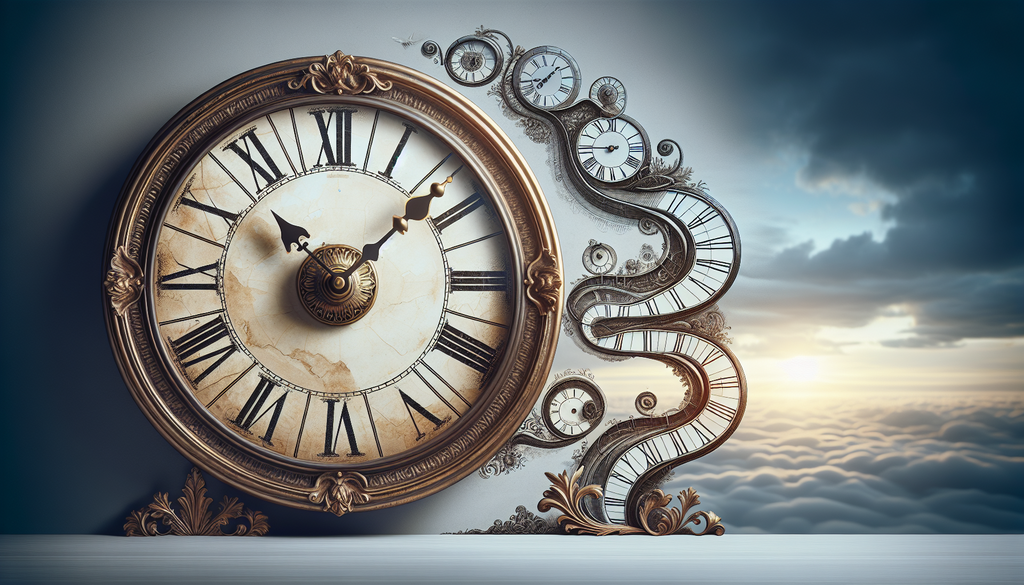
The evolution of wall clocks throughout history shows how humanity has always sought to master time. Roman numerals play a vital role in this progression. Their use on clocks transcends mere functionality, touching upon aesthetics and tradition.
- First key point: Early clocks mainly used Roman numerals for their clarity and universality.
- Second key point: Over time, Roman numerals have remained present on clocks due to their connection with tradition and historical cachet.
- Third key point: The retention of Roman numerals on dials is often perceived as an aesthetic choice, enhancing the classic and timeless design.
In summary, this section helps you better understand the evolution of clocks and why Roman numerals remain essential in their design.
1.1 What are the origins of Roman numerals on clocks?
This subsection explores how Roman numerals have been incorporated into clocks since the beginnings of horology.
- 1: Roman numerals appeared with the first mechanical clocks in the Middle Ages.
- 2: Historically, these numbers were used for their simplicity and readability.
- 3: Their elegance has allowed them to be maintained through the centuries despite technological developments.
This subsection highlights the essential elements for understanding the adoption of Roman numerals on clocks.
1.2 The importance of Roman numerals in the history of watchmaking
As a symbol of tradition and know-how, Roman numerals hold an important place in the history of clocks.
- 1: They helped to standardize the reading of the time.
- 2: Major watchmakers have adopted them as an emblem of quality and elegance.
- 3: Roman numerals are often associated with prestigious and classic clock designs.
This subsection offers a reflection on the cultural and historical importance of Roman numerals in the art of watchmaking.
2. Types of wall clocks
Wall clocks are primarily available in analog and digital models. This diversity reflects varied tastes and needs, depending on the intended use. Let's explore the specific characteristics of each type.
- First key point: Analog clocks, often adorned with Roman numerals, offer a retro charm and ease of use.
- Second key point: Digital models, on the other hand, are functional and modern, perfect for practical everyday use.
- Third key point: Choosing the right clock depends largely on the desired aesthetic and functionality.
In summary, this section helps you better understand how to choose between an analog and a digital clock based on your preferences.
2.1 Why choose between an analog or digital clock?
Understanding the differences between analog and digital clocks is essential to making an informed choice according to your needs and style.
- 1: Analog clocks feature a dial that exudes classicism and elegance.
- 2: The Roman numerals used provide an old-fashioned charm that digital clocks do not possess.
- 3: In terms of practicality, digital clocks stand out for their accuracy and their ability to display additional information.
This subsection highlights the essential elements for making an informed choice between the two types of clocks.
2.2 Designer and vintage wall clocks: how to choose?
With the resurgence of vintage designs, wall clocks are gaining popularity thanks to their retro style and distinct personality.
- 1: Vintage clocks often feature Roman numerals to accentuate their old and authentic look.
- 2: Choosing a vintage wall clock can transform and add character to a room.
- 3: The combination of noble materials and classic designs contributes to their status as a centerpiece in interior decoration.
This subsection guides you in choosing a designer or vintage wall clock depending on the atmosphere you wish to create.
3. Use of Roman numerals
Roman numerals have endured through the centuries, becoming a staple on wall clock faces thanks to their unique charm. Their use is not merely aesthetic; they also lend a touch of sophistication and a timeless appeal to any interior.
- First key point: Roman numerals instantly give a clock a classic and elegant appearance.
- Second key point: Their presence combines aesthetics and practical use, offering easy readability.
- Third key point: The use of Roman numerals appeals to those seeking a sophisticated and traditional style.
In summary, this section helps you understand why Roman numerals are still used today, combining aesthetics and functionality.
3.1 Aesthetics and functionality of Roman numerals today
Aesthetic and practical considerations meet in the modern use of Roman numerals, particularly in interior decoration.
- 1: Their refined appearance elegantly decorates any room.
- 2: The visual experience they offer is enhanced by increased readability.
- 3: Roman numerals add value to clocks through their cultural heritage.
This subsection highlights why Roman numerals continue to combine aesthetics and functionality in contemporary clock design.
3.2 What are the pros and cons of Roman numerals?
Like any design choice, the use of Roman numerals has both advantages and disadvantages to weigh before purchasing.
- 1: Advantages: adds character and history, excellent readability.
- 2: Disadvantages: some may find them outdated or incompatible with ultramodern interiors.
- 3: The decision to use Roman numerals must be carefully considered in relation to the desired aesthetic.
This subsection helps you evaluate the advantages and limitations of Roman numerals on clocks to make an informed choice.
4. How to choose and maintain your wall clock
Choosing the perfect wall clock means considering aesthetic, functional, and practical criteria. Regular maintenance ensures not only its longevity but also its smooth operation every day.
- First key point: Identify your needs: do you prioritize aesthetics, sound, or practicality?
- Second key point: Make sure the clock is suitable for the space in terms of size, style and sound level.
- Third key point: Maintenance will depend on the type of clock chosen; opt for suitable advice to extend its life cycle.
In summary, this section guides you in choosing and maintaining your clock so that it is a lasting decorative asset.
4.1 What criteria should be considered when purchasing?
When buying a wall clock, several criteria must be taken into account to ensure that it meets your needs and style.
- 1: The size must be proportional to the space where the clock will be placed.
- 2: Style and design, such as vintage or modern with Roman numerals, impact the overall aesthetics of your room.
- 3: Functionality: make sure the clock offers the essential features you are looking for (silence, brightness of the hands, etc.).
This subsection offers a practical guide to selecting a clock that harmonizes with your environment and meets your expectations.
4.2 Installation and maintenance: practical advice
Properly installing your wall clock and ensuring regular maintenance are crucial to maintaining its appearance and performance.
- 1: Choose a stable and secure location when fixing to the wall.
- 2: Gently clean the dial and frame to avoid dust buildup that could dull the appearance.
- 3: Regularly adjust the time to ensure its accuracy, especially after a battery change.
This subsection helps you learn how to properly install and maintain your clock to prolong its life and function.
5. Top popular brands and models
Choosing a wall clock also involves considering popular brands and models that guarantee quality and style. On our website temps-des-horloges.com , you'll find a carefully curated selection of clocks with Roman numerals that will delight lovers of classic design.
- First key point: Renowned brands offer diverse collections, integrating tradition and innovation into each of their creations.
- Second key point: The most popular models combine fine craftsmanship, functionality and timeless aesthetics.
- Third key point: Available on our online platform, these models are perfect for combining practicality and old-world charm.
In summary, this section highlights clock brands and models that pay homage to the heritage of Roman numerals while adapting to contemporary tastes.
Mini Frequently Asked Questions
- Why are Roman numerals still used? They offer a classic aesthetic and readability that transcends eras, adding a timeless charm to clocks.
- How to choose a wall clock with Roman numerals? Make sure it fits in with your existing decor while meeting your style and functionality criteria.
- Where can I buy clocks with Roman numerals? Visit our online store temps-des-horloges.com to discover our range of quality models.
These frequently asked questions shed light on the advantages of Roman numeral clocks and how to further your choice.
Additional information
If you're wondering why Roman numerals continue to appear on our wall clocks, part of the answer lies in their timeless aesthetic and their ability to blend seamlessly with almost any interior design style. To maximize the look and impact of your clock within your space, discover the best placement for a wall clock .
Maintenance checklist
- 1: Regularly dust the dial and frame of your wall clock with a soft cloth.
- 2: For wooden surfaces, apply a special wood wax to protect and revive the material.
- 3: Clean the clock glass with a suitable cleaner to avoid streaks and scratches.
- 4: Check and adjust the mechanism if your clock starts to lose accuracy.
- 5: For metal clocks, use a rust inhibitor to prevent corrosion.
Pro tip
To prolong the life of your wall clock , avoid placing it in humid locations or areas exposed to extreme temperature variations. These conditions can affect the mechanism in the long term.
Useful external resource
For those who are curious or passionate, we recommend this additional article.
Conclusion
The article has taken you through the fascinating history of Roman numerals on wall clocks , and how these timeless symbols continue to mark our daily lives with their unique aesthetics and proven functionality.
By choosing a wall clock adorned with Roman numerals, you're opting for a decorative style that blends history and modernity. Which of these styles will best enhance your living space?
Explore our collections and guides to make your informed choice and give your interior the elegance of an exceptional wall clock !
Additional resources
-
Posted in
best-sellers