What size wall clock should I choose for my room?
Summary
- 1. The importance of the size of the wall clock
- 2. Guide to choosing the clock size according to the type of room
- 3. Factors to consider when choosing a wall clock
- 4. Decorating tips with wall clocks
- 5. Comparison of different styles and sizes of wall clocks
1. The importance of the size of the wall clock
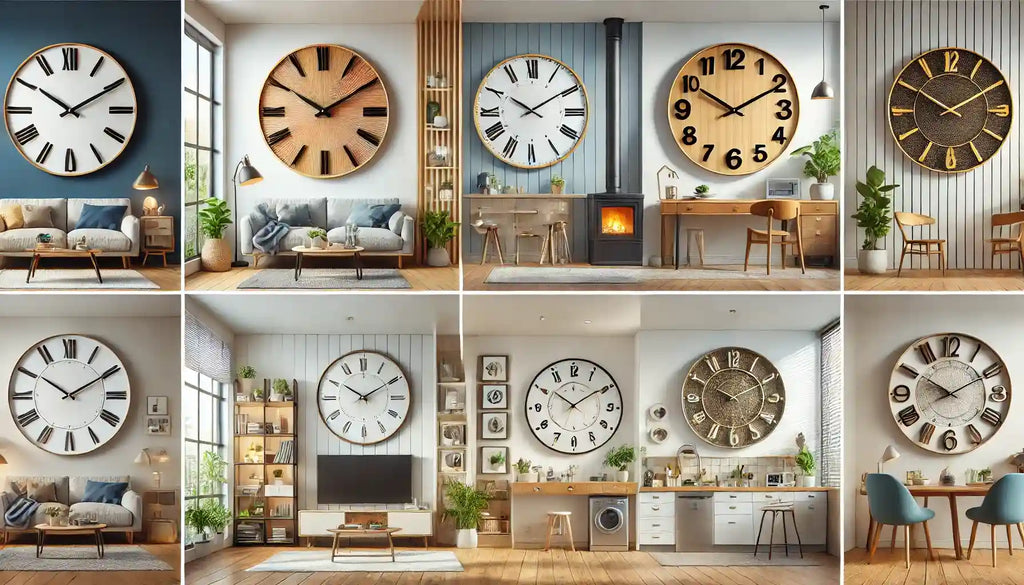
Choosing the right size wall clock is crucial for the aesthetics and functionality of any room. A clock that is too large or too small can throw the space off balance. This chapter explores why size is a determining factor in successfully integrating a wall clock.
- Visual balance: A wall clock should visually harmonize with other decorative elements to avoid an overwhelming or neglected effect.
- Functionality: Ensure the size allows for easy reading of the time from a distance without sacrificing aesthetics.
- Decorative impact: A well-chosen clock can become a centerpiece that catches the eye and creates an atmosphere.
In summary, this section helps you better understand how the size of the wall clock influences the harmony and style of your room.
2. Guide to choosing the clock size according to the type of room
Each type of room in a house has different requirements in terms of wall clock size. This guide will help you determine the ideal size for your room to optimize both its decorative and practical effect.
2.1 Kitchen
The kitchen is often the beating heart of the home, where timing is crucial. Discover how a wall clock can not only beautify this space, but also make cooking tasks more efficient.
- Moderate size: A medium-sized clock is generally ideal for kitchens, as it is easily visible without being overwhelming.
- Practicality: Clear or digitized numbers make visibility easier, especially when you are busy cooking.
- Consistent style: Opt for a clock that complements the style of your kitchen, whether it is modern or rustic.
This subsection highlights how a suitable clock can maximize the functionality and charm of your kitchen.
2.2 Living Room
The living room is a space for relaxation and socializing. Choosing a wall clock for this space can enhance both style and comfort.
- Large size: A large clock can serve as a dramatic and influential focal point in the design of the living room.
- Strategic placement: Position the clock so that it is visible from all main seats.
- Decorative complement: Choose a design that harmonizes with decorative elements such as furniture and picture frames.
This subsection explains how a well-chosen wall clock can transform the living room into a haven of style and comfort.
2.3 Room
In the bedroom, the clock plays a subtle role in contributing to the overall ambiance and keeping your schedule on track.
- Discreet size: A smaller or medium-sized clock is often more suitable for the bedroom, creating a tranquil atmosphere without visual overload.
- Silent functionality: Opt for a silent clock so as not to disturb sleep with ticking noises.
- Adding ambiance: The design of the clock can enhance the theme of the room, whether it is minimalist or romantic decor.
This subsection shows how a discreet and elegant wall clock can enhance the comfort and aesthetics of the room.
2.4 Office
A well-organized office includes an efficient wall clock that can help structure your time while adding a professional and aesthetic touch.
- Proportionate size: A medium-sized clock fits in well without monopolizing space, allowing for easy reading of the time.
- Functional features: Select a clock with clear numbers for easy quick reading while working.
- Professional design: Choose a style that reflects the professional or creative character of your workspace.
This subsection illustrates how choosing a suitable wall clock can improve the efficiency and design of your workspace.
3. Factors to consider when choosing a wall clock
Buying a wall clock isn't just about its size or appearance. Here are the main factors to consider to make an informed choice and maximize the impact of your wall clock.
3.1 Room dimensions
The dimensions of the room significantly influence the choice of size for your wall clock. Here's why this is important.
- Proportional adaptation: The larger the room, the wider the clock should be to maintain visual balance.
- Use of wall space: Optimize space utilization by leaving around the clock a space equivalent to one third of its size.
- Coordination of elements: Integrate the clock with other wall elements such as frames and shelves for stylistic consistency.
This subsection helps you understand how a good reading of your room's dimensions enhances the effect of your wall clock.
3.2 Viewing distance
The distance from which you can read your wall clock plays a key role in its functionality and visual appeal. Here's what you need to consider.
- Readability: The size of the dial and numbers should be proportional to the viewing distance to ensure easy reading.
- Optimal positioning: Install the clock at a level that allows a clear view from any central point in the room.
- Contrast and colour: A clock with good contrast between the dial and the hands makes it easier to read from a distance.
This subsection highlights how taking viewing distance into account improves the functionality and decorative impact of your clock.
3.3 Existing Style and Decor
The harmony between your wall clock and your existing decor is essential to creating a cohesive and aesthetically pleasing atmosphere in your home.
- Stylistic coherence: Choose a clock that complements the overall theme of the room, whether it is modern, traditional or vintage.
- Colour palette: Make sure the clock fits well into the existing colour palette to avoid colour clashes.
- Highlighting: Use the size and design of the clock to enhance or create an interesting focal point in your space.
This subsection explains how taking into account existing style and decor can enhance the harmony and uniqueness of your interior space.
4. Decorating tips with wall clocks
Using wall clocks as decorative elements not only helps you keep track of time but also adds character to your space. Here are a few tips to maximize their decorative potential.
4.1 Integrating a clock into the interior decoration
Incorporating a wall clock into your interior decor can transform your space. Here are some tips to achieve this effectively.
- Balance with other elements: Arrange the clock in a way that balances the arrangement of other artwork or wall decorations.
- Mix of textures and materials: Use clocks to add a variety of textures and contrasts to the room.
- General theme: Ensure that the style of the clock supports the existing theme in order to create visual harmony.
This subsection highlights the art of matching a wall clock with your overall decor for a stylish and seamless effect.
4.2 Using clocks as a focal point of the room
Creating a focal point in a room can transform your entire space. Here's how wall clocks can be used to do just that.
- Theatrical staging: Position the clock in a strategic location that immediately catches the eye upon entering the room.
- Complementary shapes: Use a clock with bold shapes to energize and modernize the space.
- Style accentuation: Rely on uniquely designed clocks to emphasize the overall aesthetic of the room.
This subsection highlights how to make your wall clock the focal point that transforms the mood of the room.
5. Comparison of different styles and sizes of wall clocks
Wall clocks come in a variety of styles and sizes, each adding a different touch to your space. This section helps you compare options to choose the one that best suits your needs.
5.1 Different types of clocks
There are many different types of wall clocks, each with its own characteristics and advantages. Here's what distinguishes them.
- Analog clocks: They bring classic charm and traditional functionality.
- Digital clocks: Convenient for quick reading and often equipped with additional features such as temperature.
- Pendulum clocks: Their movement brings a unique visual and acoustic dynamic to the space.
This subsection helps you distinguish between the different types of clocks and their possible impact on your interior style.
5.2 Commonly Used Materials
The materials used to make wall clocks greatly influence their appearance and their suitability for different decorating styles. Let's take a closer look at the most commonly used materials.
- Wood: Brings warmth and can be combined with traditional and rustic styles.
- Metal: Adds a modern or industrial touch, often robust and elegant.
- Plastic: Offers a wide variety of colors and styles at a price that is often more affordable.
This subsection sheds light on the impact of different materials on the style and durability of wall clocks.
Conclusion
By choosing the right wall clock for each room in your home, you are not only adding a design element, but you are also creating an environment where time is perfectly balanced with your lifestyle.
From sleek, modern designs to boldly retro pieces, there's a clock for every taste and every space. 🕰️ Ready to find yours? Embark on your quest for perfect time and bring your décor to life!
-
Posted in
horloge-murale